



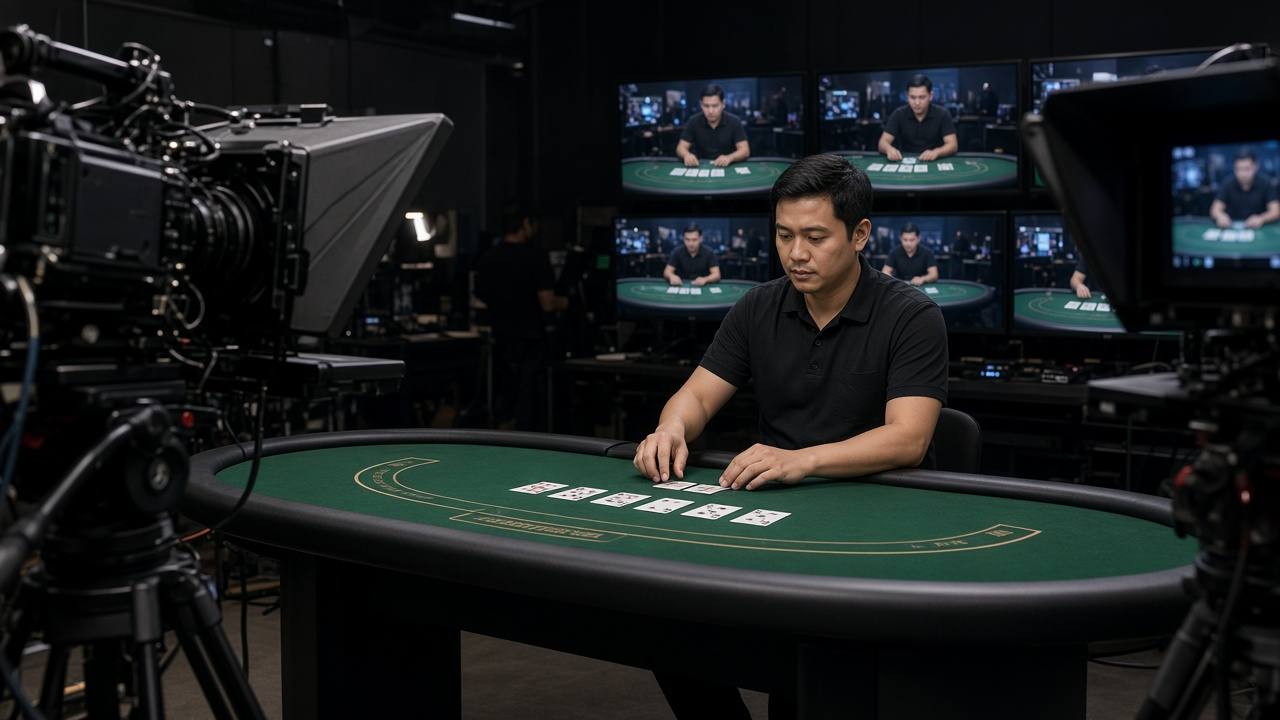
Remote gaming platforms that serve RNG slots and a live-dealer lobby look like one product to the player. To a regulator they are often two systems: a software platform and a physical studio (or a B2B studio supplier). Operators who copy an RNG-only application and paste “live casino included” without studio exhibits stall in technical review.
Where the cards are dealt is a licensing fact
If dealers are in a Philippine studio, you have premises, CCTV, access control, labor law, and possibly a separate accreditation for the studio or supplier. If dealers are in another country, you have cross-border supply, immigration or secondment issues for any Philippine-based hosts, and a need to show that the foreign studio is itself licensed or accredited in a way your regulator accepts. “Our aggregator promised it was fine” is not an exhibit.
What studio files usually contain
- Floor plan, camera angles, and recording retention.
- Shoe, shuffler, and card-inventory procedures.
- Dealer training and shift logs.
- How the stream is encoded, watermarked, and protected against delay exploits.
- How the studio game state is bound to the player wallet on the platform.
Those files do not live in the same folder as a software RNG certificate. Keep them as a distinct schedule in the application.
B2B studio contracts
Most operators rent live content. The contract should state the jurisdictions the studio is authorized to serve, audit rights, termination if the studio loses accreditation, and which party faces the player when a round is voided. If the studio geo-filters poorly and Philippine prohibited markets appear in the stream metadata, the B2C licensee still owns the player relationship.
Labor and immigration overlays
Philippine studios hire dealers under the Labor Code. Foreign specialists need the correct visas. A “tourist dealer” model is both an immigration violation and a licensing integrity issue. Remote producers sitting in Makati while the table is abroad still need a clean description of who is the employer.
Abanto Law Firm maps live-dealer supply chains against PAGCOR and freeport product schedules so the platform license and the studio (or studio vendor) authorization match the lobby you intend to switch on.
This article is general information about Philippine online casino licensing. It is not legal advice, does not create a lawyer-client relationship, and does not guarantee that a regulator will approve any application. License grants remain solely within the discretion of PAGCOR, CEZA, APECO, or any other competent authority. Contact Abanto Law Firm for advice on a specific transaction.

